
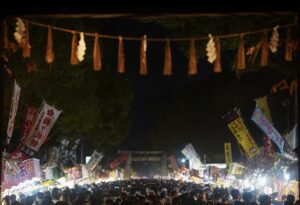
On the morning of October 7, Nagasaki feels different. The sound of flutes and drums echoes from the alleys, and the faces of passersby seem a bit restless. This is the atmosphere that marks the beginning of Nagasaki Kunchi.
Nagasaki Kunchi, the autumn festival at Suwa Shrine, has been celebrated since 1634. Performances like the dragon dance, Kokkodesho, and the whale spouting are designated as important intangible folk cultural assets by the government and are frequently featured in foreign tourism media. It takes place every year on the fixed dates of October 7, 8, and 9, and this schedule won’t change in 2026.
If you’re planning to see Kunchi, you’ll want to eat like a local in Nagasaki. I’ll introduce five places to eat—like the long-established spot known as the birthplace of champon, a specialized chawanmushi shop that’s been around for over 160 years, and a ramen shop that stays open until after 1 a.m.—along with a one-day model plan for the festival.
Nagasaki Kunchi 2026 Basic Information
Nagasaki Kunchi takes place every year on October 7th, 8th, and 9th—three fixed days. The schedule for 2026 won’t change. The main venues are Suwa Shrine (in Nagasaki City, Kaminishiyama-cho) and the Otabisho (in Man’yamachi), along with various “dance spots” around the city where each dance town showcases their performances every seven years. Since the performances vary each year, be sure to check the lineup for 2026 on the official Nagasaki Kunchi website ahead of time.
There are both paid viewing seats (tickets) and free viewing areas. If you want to see the dragon dance or Kokkodesho properly from the front, it’s best to buy tickets in advance. The “niwa mise,” where each dance town displays their performances, can sometimes be viewed for free, providing a great way to soak in the festival atmosphere.
Viewing Spots and Tips for Avoiding Crowds
The area in front of Suwa Shrine and around the Hamacho Arcade gets crowded day and night during the festival. The performance times are posted on the official website, so it’s a good idea to check the schedule before moving around. The tram (Nagasaki Electric Tramway) is the easiest way to get from the Kunchi venue to Nagasaki’s gourmet spots, allowing you to travel to major spots in the city without transfers. Using a one-day pass can help keep transportation costs fixed, saving you from fumbling for change every time you hop on.
To get from Hakata, take the JR Limited Express “Relay Kamome” from Hakata to Takeo Onsen (about 1 hour), then transfer to the Nishi Kyushu Shinkansen “Kamome” from Takeo Onsen to Nagasaki (about 30 minutes), totaling around 1 hour and 30 minutes. If you have the JR Kyushu Northern Kyushu Rail Pass, you can significantly reduce round-trip travel costs while also stopping at sightseeing spots along the way.
Travel Preparation: eSIM & Transportation Pass
In Nagasaki, having internet access on your smartphone is essential for navigating the tram routes. Securing a local SIM in advance will help you move smoothly even during the busy times at the Kunchi venue. The JR Kyushu Northern Kyushu Rail Pass can be purchased on Klook, offering a cost-effective way to travel round-trip from Hakata to Nagasaki and explore the surrounding areas.
One-Day Model Plan | Enjoying Kunchi and Nagasaki Cuisine in a Day
Kunchi performances run from morning until evening at various venues. I’ve packed the morning with performances and planned a route for the afternoon and evening centered around food. Using the streetcar to connect everything keeps travel time to a minimum.
A Day Route to Indulge in Kunchi and Cuisine
| Time | Location/Activity |
|---|---|
| 09:30 | Watch performances at Suwa Shrine and the Otabisho. Free viewing in the garden area. |
| 12:00 | Get off at the “Oura Cathedral” streetcar stop → Lunch at Chuka Ryori Shikairou for champon. |
| 14:00 | Stroll through Glover Garden or Dejima (a quieter time as the Kunchi excitement calms down). |
| 16:00 | Late lunch/tea time at Tsuru Chaan Honten for Turkish rice and Nagasaki milkshake. |
| 18:00 | Dinner at Yoshimune Honten (chawanmushi and steamed sushi). Be mindful of the last order at 19:30. |
| 20:00 | Walk through Hamamachi Arcade to soak in the night vibes of Kunchi. Late-night snacks available at Genzanrou in Chinatown. |
| 23:30 | Finish off with Shianbashi Ramen (open until 1:30 the next morning). |
All the activities are connected by the streetcar. With a one-day pass (available for purchase on the day), you can travel from venues to meals for a fixed price.
First Stop: Chinese Restaurant Shikairou (Matsugaecho)
As I descended the slope leading to Glover Garden, a five-story building facing the port caught my eye. In 1899, the first chef, Chen Heijun, began serving affordable and nutritious meals to young Chinese immigrants in Nagasaki, marking the start of champon. This place, Shikairou, is considered the birthplace of champon and is still in operation today.
The Charm of the Restaurant
The view of Nagasaki Port from the fifth floor is even more striking during the Kunchi festival. The ships docked in the harbor and the city clinging to the mountainside can make you pause, chopsticks in hand. The champon, with its blend of pork and chicken broth, packed with pork, shrimp, squid, vegetables, and fish cake, fills you up quicker than you’d expect. After finishing, you find yourself thinking, “I could eat that again.”
On the first floor, there’s a “Champon Museum” displaying tools and photos related to its origins. Admission is free, and just a quick stop before or after your meal can deepen your understanding of Nagasaki. If you’re with foreign friends, this is a great place to start the conversation.
Restaurant Information
- Address: 〒850-0921 Nagasaki Prefecture, Nagasaki City, Matsugaecho 4-5
- Access: About a 3-minute walk from the “Oura Church” tram stop
- Hours: 11:30 AM – 2:30 PM, 5:00 PM – 7:30 PM (last order 30 minutes before closing)
- Closed: Open every day
- Tip for Visiting: During the Kunchi period, lunch can fill up quickly around noon. The window seats on the fifth floor are first-come, first-served, so aim for right after opening (11:30 AM) or after 2:00 PM for a better chance at a seat.
Shiro’s Tip
If you check out the champon museum on the first floor before your meal, it changes how you see the dish. Knowing the backstory makes the first sip of the soup feel a bit different. There are explanation panels in English and Chinese, making it easy to share with foreign companions.
2nd Stop: Yoshimune Honten (Hamamachi)
In a corner of the Hamamachi arcade, there’s a line forming in front of a narrow entrance marked by a noren—this is Yoshimune. Established in 1866, the restaurant serves Nagasaki-style chawanmushi, which is larger and more packed with ingredients than those found in Tokyo or Osaka. Originally, it became popular as a meal that “even the poor could eat their fill,” offering a comforting taste of everyday life, quite different from luxurious kaiseki cuisine.
What Makes This Place Special
The signature chawanmushi comes in a generously sized dish that reminds you of a clay pot. The moment you lift the lid, steam and the rich aroma of dashi waft up, instantly igniting your appetite. It’s filled with shrimp, chicken, ginkgo nuts, and shiitake mushrooms, all harmonized by the depth of the dashi. It’s customary to order it alongside steamed sushi (nukuzushi), which features warm sushi topped with ingredients over vinegared rice—a unique Nagasaki style.
If you visit in the evening after enjoying the Kunchi festival, the excitement of the festivities has cooled down just enough for you to relax. Last orders are at 7:30 PM, so you can catch the end of the performances and still make it in time.
Store Information
- Address: 〒850-0853 Nagasaki Prefecture, Nagasaki City, Hamamachi 8-9
- Access: About a 2-minute walk from the “Kankoudori” tram stop
- Business Hours: 11:00 AM – 7:30 PM (Last Order)
- Closed: Tuesdays
Shiro’s Tip
You can order the chawanmushi and steamed sushi set (the “Yoshisou” set) even for one person. Just make sure that October 7, the day of Kunchi, is not a Tuesday (2026’s October 7 is a Wednesday, so no worries there). Even on weekdays, seats fill up in the evening, so arriving early around 5 PM is a safe bet.
 Check reviews and English menu on Tabelog
3rd Stop: Tsuru-chan Honten (Hamamachi)
Since opening in 1925, this is Nagasaki’s oldest café, still operating in the same spot. As soon as you open the door, you’re greeted by that unique café smell—a mix of coffee and oil. The tablecloth patterns and the shape of the wooden chairs feel like time has stopped somewhere in the Showa era. It’s a cozy place to rest your tired feet after wandering around during Kunchi.
What Makes This Place Special
The signature dish, Turkish rice, is a Nagasaki specialty that features a mound of pilaf, spaghetti, and a pork cutlet (or shrimp fry) all on one plate. There are various theories about why this combination exists and why it’s called “Turkish,” which adds to its charm. It’s quite filling—perfect for lunch, as it’ll keep you satisfied until dinner.
Another must-try is the Nagasaki milkshake. It’s a sherbet-like drink made from eggs, sugar, milk, and shaved ice, and it’s been on the menu since the Taisho era. On a hot Kunchi afternoon, stopping by for one after the performances feels like a little revival for your weary body.
Store Information
- Address: 〒850-0832 Nagasaki Prefecture, Nagasaki City, Aburaya-machi 2-47
- Access: About a 3-minute walk from the “Shianbashi” tram stop
- Hours: 10:00 AM – 9:00 PM
- Closed: Wednesdays
- Tip for Visiting: Since it’s closed on Wednesdays, be cautious if you’re visiting on the second day of Kunchi (October 8 falls on a Wednesday in some years). In 2026, October 8 is a Thursday, so no worries then.
Shiro’s Tip
The milkshake is a sherbet-like drink enjoyed with a straw, quite different from the typical “milkshake” (liquid). If you give your foreign friends a heads-up before ordering, their surprise will turn into delight when it arrives. The Turkish rice is quite large, so if you’re looking for a lighter meal in the afternoon, it’s wise to check if you can order a half-size.
4th Stop: Gensanro Nagasaki Chinatown (Shinchi)
As I passed under the entrance gate of Shinchi Chinatown, the red lanterns and steam from the food mixed together, instantly thickening the atmosphere of the street. Gensanro is one of those places that always comes up when talking about champon in Nagasaki, nestled in a corner of this Chinatown. In contrast to Shikairou, which is located by the port, Gensanro incorporates the very “air of the place” into the dining experience.
The Charm of the Restaurant
The champon here has a broth that’s a bit richer than Shikairou, with a clear outline of pork bone flavor. This is a matter of personal taste, but while Shikairou can function as a “drink” when eaten at night, Gensanro gives the impression of having a density that makes it a proper “meal.” The fried noodles, known as sara udon, are also quite popular, and the crispy texture of the thin fried noodles topped with ingredients offers a completely different experience from champon.
At night, Chinatown lights up with lanterns, revealing a different face than during the day. After the Kunchi festival performances wrap up in the evening, it feels natural to stroll from Hamacho Arcade and grab a late-night bite in Chinatown.
Restaurant Information
- Address: 〒850-0842 Nagasaki Prefecture, Nagasaki City, Shinchi-machi 13-13
- Access: About a 1-minute walk from the streetcar stop “Shinchi Chinatown”
- Hours: Wed–Fri 11:30–15:00, 17:00–20:30 / Sat–Sun 11:00–15:00, 17:00–20:30
- Closed: Mondays and Tuesdays
- Tip for Visiting: On the first day of Kunchi (October 7, Wednesday), the evening session starts at 17:00. Since the last order is at 20:30, if you’re heading there after the evening program, be sure to plan your time accordingly.
Shiro’s Tip
The evening session opens at 17:00, but during Kunchi, it starts filling up around 17:30. The last order at 20:30 comes surprisingly fast, and if you watch the performances until the end, you might miss it. Planning for the Kunchi night as “performances → Gensanro → Shianbashi Ramen” makes for a smooth flow.
5th Stop: Shianbashi Ramen (Hamacho)
Shianbashi Yokocho is a lively area that stays lit even after the Kunchi festival ends. Izakayas, snack bars, and ramen shops line the streets, with festival-goers spilling in. Shianbashi Ramen is nestled in this alley, open until 1:30 AM. It’s a place where you can naturally swing by for a late-night bowl after the crowds have thinned out.
What Makes This Place Special
The ramen here is pork bone-based, with a mild, easy-to-drink broth. Compared to Hakata’s rich tonkotsu, Nagasaki’s ramen is lighter, with a softer flavor profile. It strikes a balance that makes it more of a “drink to finish off the night” than a full meal, offering a warmth that settles in nicely as the night goes on. Instead of going for extra noodles, savoring a single bowl feels more in tune with a Nagasaki night.
During the festival, late-night crowds can make Hamacho bustling, so you might find a line at Shianbashi Ramen. However, they move quickly, and you’ll likely get in within 30 minutes.
Shop Information
- Address: 〒850-0853 Nagasaki Prefecture, Nagasaki City, Hamacho 6-17
- Access: About a 1-minute walk from the streetcar stop “Shianbashi”
- Hours: 11:00 AM – 1:30 AM
- Closed: Open every day
Shiro’s Tip
Late at night during the Kunchi festival (after 11 PM), the entire Shianbashi Yokocho gets crowded. If you can get there early, entering around 10 PM tends to be smoother. For first-time travelers trying tonkotsu, mentioning that “Nagasaki’s tonkotsu is milder than Hakata’s” can lower the ordering barrier.
Comparison of 5 Shops
| Shop Name | Genre | Recommended Occasion | Closed Days |
|---|---|---|---|
| 四海楼 | Champon, Sara Udon | Lunch, paired with Glover Garden | No holidays |
| 吉宗 本店 | Chawanmushi, Steamed Sushi | Dinner, for a taste of Nagasaki cuisine | Tuesday |
| ツル茶ん | Café, Turkish Rice | Break, late lunch | Wednesday |
| 江山楼 | Champon, Chinese | Evening, for the atmosphere of Chinatown | Monday, Tuesday |
| 思案橋ラーメン | Ramen | Late night snack (until 1:30 AM) | No holidays |
Access and Route Guide | Traveling from Hakata to Nagasaki
From Hakata Station to Nagasaki Station, you can take the JR Limited Express “Relay Kamome” from Hakata to Takeo Onsen (about 1 hour), then transfer to the Nishi Kyushu Shinkansen “Kamome” from Takeo Onsen to Nagasaki (about 30 minutes). The total travel time is around 1 hour and 30 minutes. The transfer at Takeo Onsen Station is straightforward—just move to the other platform, as the connections are designed to be seamless.
If you use the JR Kyushu Northern Kyushu Rail Pass, you can secure travel not only for this round trip but also to various sightseeing spots along the way. You can plan a trip that allows you to arrive in Nagasaki the day before Kunchi and return to Hakata the next day, or combine visits to Saga and Beppu after Kunchi. Purchasing in advance on Klook is recommended for saving on travel costs and avoiding the hassle of ticketing.
Getting around Nagasaki City is mainly done by streetcar (Nagasaki Electric Tramway). With a one-day pass (600 yen, available for purchase on the day), you can hop on and off freely, making it easy to travel from the Kunchi venue to various gourmet spots at a fixed price.
If you plan to visit Kunchi as a day trip from Hakata, it’s wise to pre-arrange your round trip on the Shinkansen or Limited Express (about 3 hours of travel) along with the timing of the performances to avoid any wasted time.
Related Articles
Hakata Gion Yamakasa 2026 Gourmet Guide——A summer festival in Hakata held in July. If you want to catch another festival in Kyushu, be sure to read this as well.
Summary | How to Experience Kunchi and Nagasaki Cuisine in One Day
Nagasaki Kunchi features different types of performances, venues, and times each year. The best way to plan your day is to check the “performance times” on the official website and then work backward to schedule your food stops. If you use a one-day streetcar pass, your travel costs from the venues to the food spots will be fixed.
During the Kunchi period (October 7-9), hotels in the city fill up quickly. Especially accommodations near Glover Garden and Dejima are convenient for accessing both the festival venues and food spots, making them great bases for sightseeing. Here are two options.
① Hotel Monterey Nagasaki (Oura Area)
This hotel is located in the Oura area, close to the entrance of Glover Garden and within walking distance to Shikairou. It’s situated in a hilly part of Nagasaki, and the view from the hotel window is already a part of the sightseeing experience. You can easily access the Kunchi venue at Suwa Shrine and Matsugae area with just one streetcar ride, ensuring a quick return after the first day’s viewing.
- Address: 〒850-0918 Nagasaki Prefecture, Nagasaki City, Oura-machi 1-22
- Access: About a 3-minute walk from the streetcar stop “Oura Cathedral”
② ANA Crowne Plaza Hotel Nagasaki Glover Hill (Minamiyamate Area)
This international brand hotel sits on a hill in Minamiyamate, within a 15-minute walk to Oura Cathedral, Glover Garden, and Dejima. From the guest rooms, you can see Nagasaki Port and Inasayama, with the view outside the window adding to your sightseeing experience. During the Kunchi period, the area gets crowded, so it makes sense to return to the hotel for a rest before heading out to the evening spots like Kouzanrou and Shianbashi Ramen.
- Address: 〒850-0931 Nagasaki Prefecture, Nagasaki City, Minamiyamate-machi 1-18
- Access: About a 5-minute walk from the streetcar stop “Oura Cathedral”


Comments